
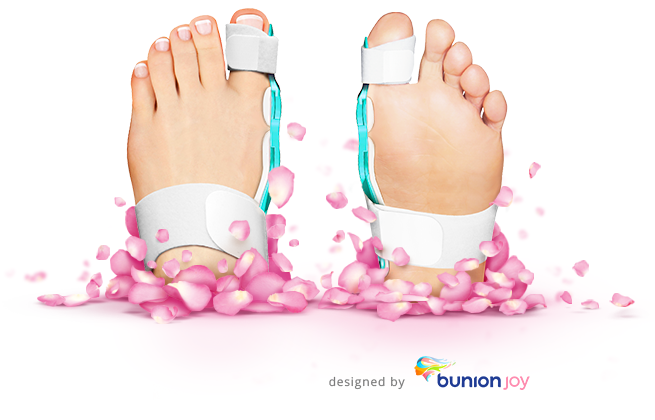
Conservative care
A wide and deep toe box, soft material over the prominence and a stable sole are often the first step. Reducing pressure may ease pain, although it does not realign bone.
Insoles, pads, spacers and braces can improve comfort for some people. Selection depends on foot shape, pressure points and skin tolerance.
Pain and inflammation
Short periods of cooling through a cloth may help temporarily. Painkillers and anti-inflammatory medicines have contraindications and interactions, so discuss them with a doctor or pharmacist if needed.
A very hot, red and suddenly painful joint needs assessment because the cause may not be mechanical irritation alone.
What can change bone alignment?
Conservative options mainly target symptoms and function. Current evidence does not show with certainty that a brace permanently stops progression or changes radiographic alignment.
Surgery is the only option that can correct a fixed bony deformity. Techniques vary and recovery commonly takes weeks or months.
When is surgery considered?
Usually when pain disrupts daily life and well-chosen non-surgical options have not helped enough. Appearance alone should not be the only reason.
A surgeon should explain benefits, risks, recovery and recurrence risk, as well as the specific problem the proposed procedure aims to solve.